by Gabriela Schaepman-Strub
Yakutsk, June 26, 2013
After months of preparation, of dealing with shipping, import and visa administration, meetings to rediscuss final field plans, buying mosquito-repellent clothes and attending a far from help course, the day has come. The forefront of the expedition – Maitane, Inge and Gabriela, are meeting at the airport in Zurich. Officials at the airport are very friendly, as soon as we tell about Siberia they are asking if we are gonna search for mammoth bones. No, but we want to find out if the vegetation is changing out there in the tundra, and whether this is impacting the permafrost. Permanently frozen soils, down to more than 300m, all year round, except for a small active thaw layer of about 30cm in summertime, from mid June to August.
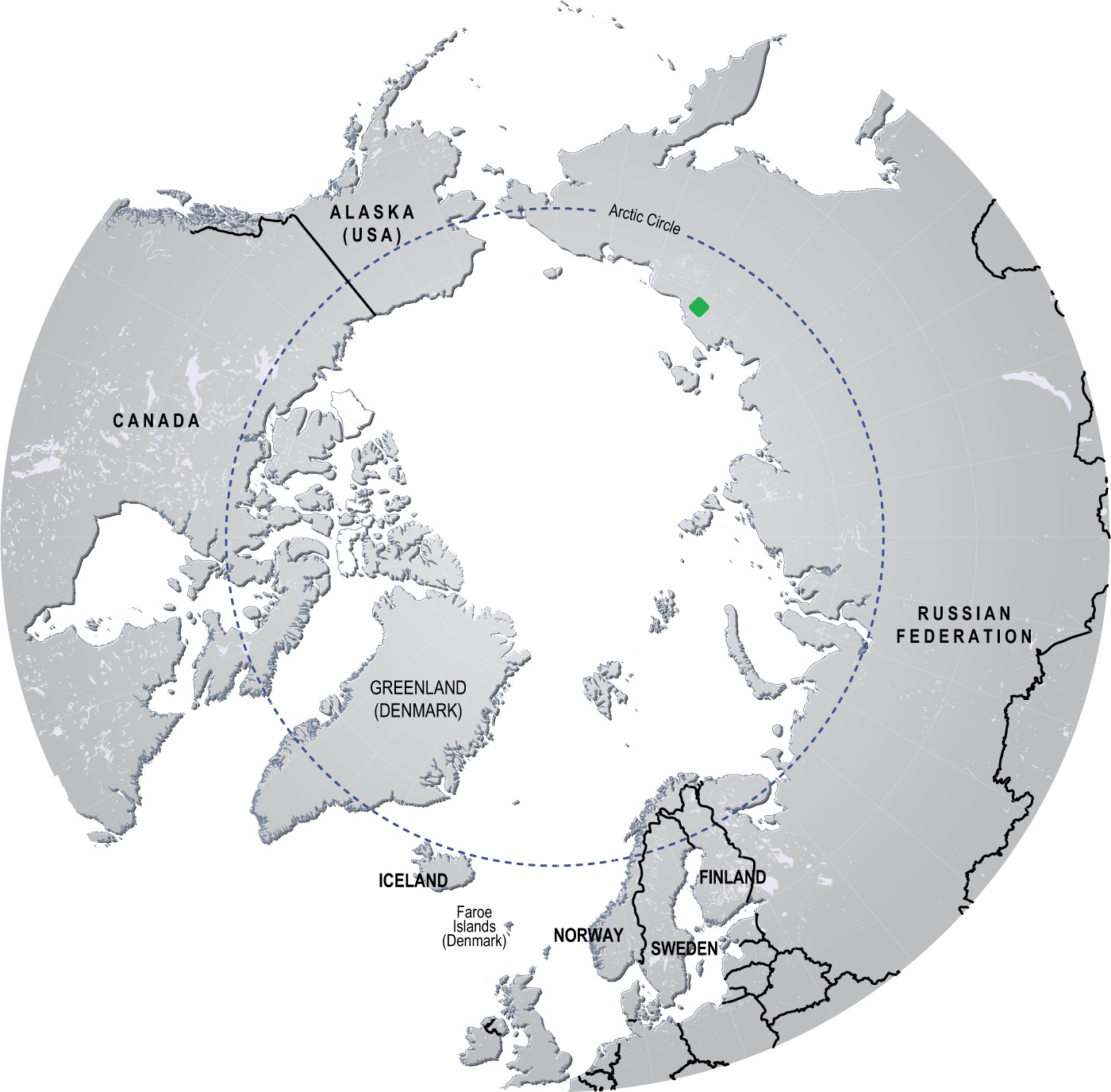
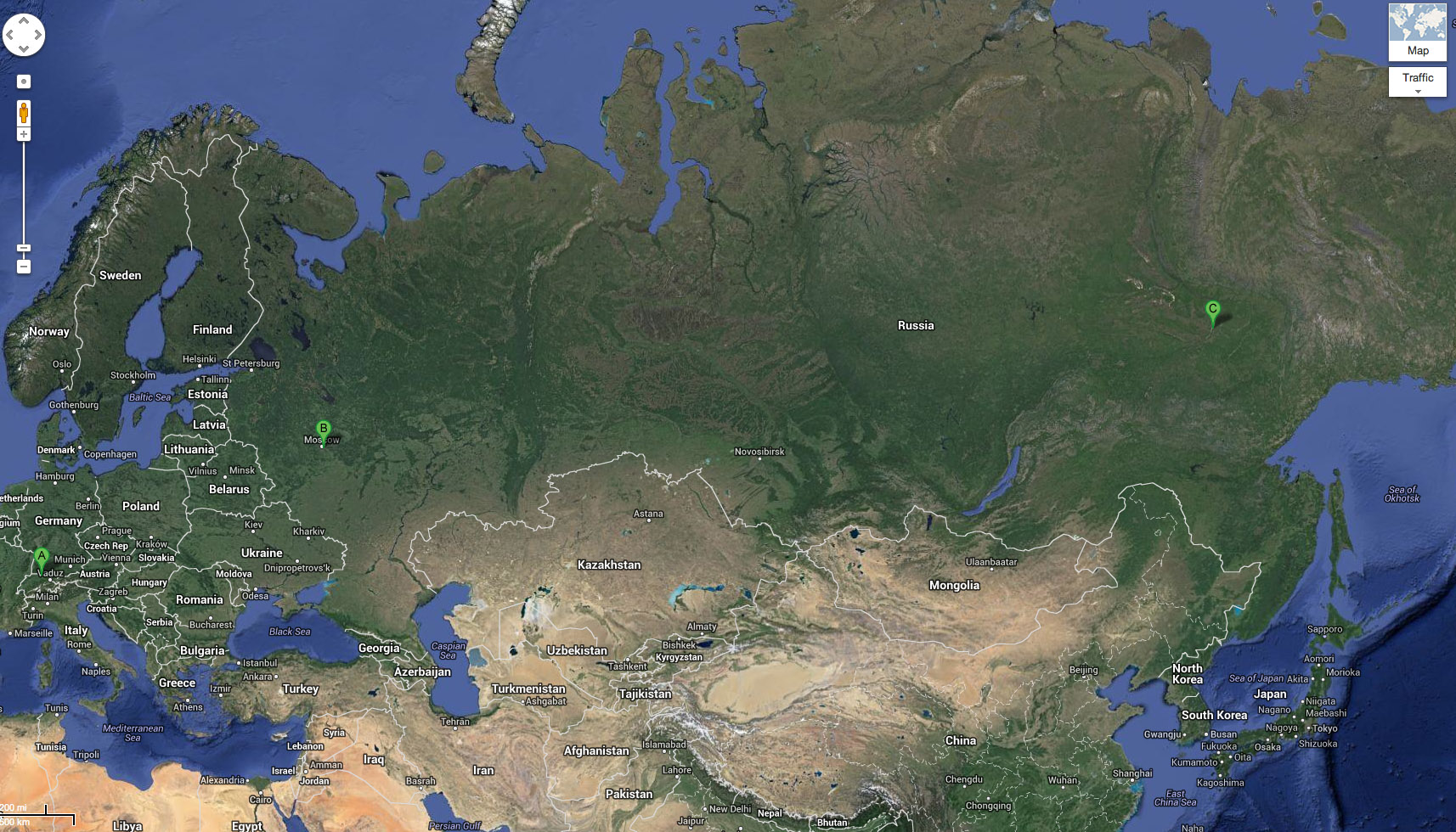
We are flying to Moscow (3hrs), and late in the evening, on to Yakutsk (6hrs), the capital of the Republic of Sakha (Yakutia), belonging to the Russian Federation. Yakutia covers an area almost as big as India, but has a population of almost a million people only, of which roughly 285’000 live in Yakutsk. The northern boundary of Yakutia is the Arctic Ocean, while extending 2500km southwards. Yakutia is very rich in natural resources. A legend tells that when god travelled through the world to distribute treasures, he suddenly stood still in Yakutia as he was overwhelmed by the beautiful landscape. When god stood still, all his treasures fell out of his bag. He got angry about it, however decided to leave the lost treasures there, but lock them in ice forever. With the large open-pit mine for diamonds in Mirny, Stalin apparently succeeded to lift the curse, but only by sacrificing many human lives. Maybe climate change will finally do the job in freeing the lost economic treasures. But it might come at the cost of a big loss – the loss of the unique tundra ecosystem.
-
Flight route from Zurich (A, ZRH) to Moscow (B, DME) and Yakutsk (C, YKS) (Map: Google Earth)
Arriving in Yakutsk
The flight to Yakutsk is impressive. We board at 23hrs local time in Moscow and fly through the night skies to Yakutsk, escorted by the light of the midnight sun, good to get used to the new daytime rhythm for the coming weeks!
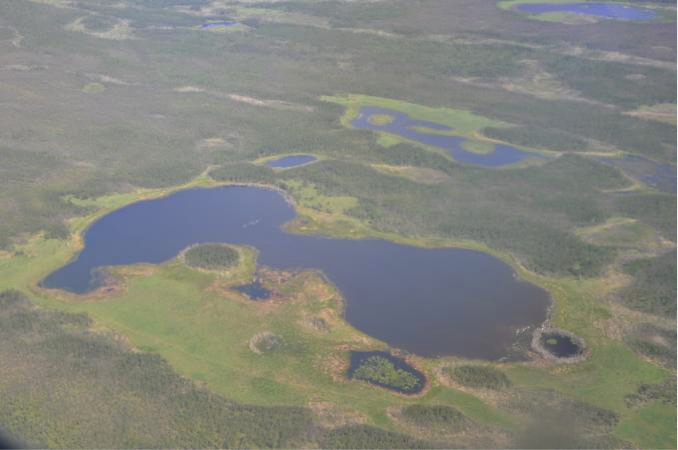
On the way to Yakutsk (Photo: G. Schaepman-Strub, June 2013)
We fly over endless forests with alases (Алаас), shallow depressions formed by subsidence of the permafrost due to repeated melting and refreezing, many of them surrounded by dead trees.
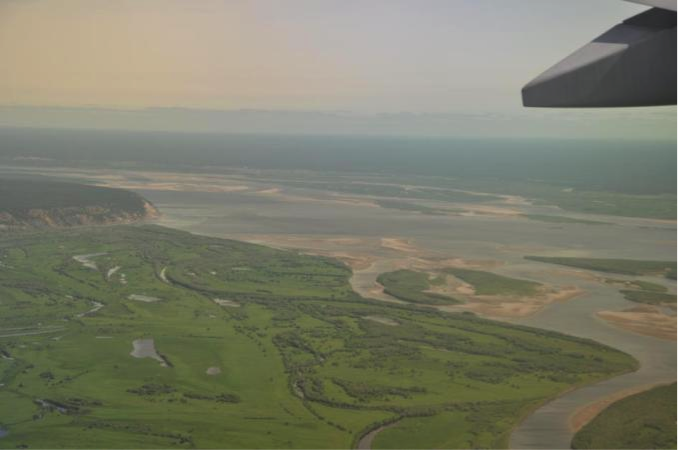
Approaching Yakutsk airport (YKS) (Photo: G. Schaepman-Strub, June 2013)
Approaching Yakutsk at the bank of the famous Lena river is again a real spectacle from the air.
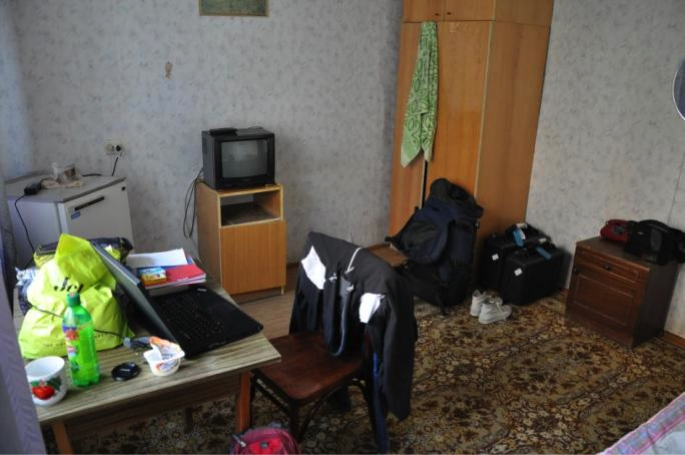
Without spending a single word we can always trust that our colleagues from IBPC SBRAS (Institute of Biological Problems of the Cryolithozone, Siberian Branch of Russian Academy of Science) are already waiting for us at the airport. It’s 11am now and we quickly transfer to our pension. Recently renovated, its Soviet Union touch remained. Eating a short bite and then off to the institute to discuss our shopping list for Kytalyk. Which batteries can we bring by plane to the field for the solar panels? Where can we get life-saving vests? Which other international groups are in the area this year? Finally we leave IBPC, with many plans and ideas for the coming days. We are tired and ready to sink into bed in our pension – not that they would have been replaced during the last renovation – but who cares – after being up for 32hrs we will get some sleep anyway.
-
Our hotel room at Xoлбос (Cholbos), close to the IBPC. (Photo: G. Schaepman-Strub, June 2013)
**********
Gabriela Schaepman-Strub – is responsible for the expedition. She has been to the research site 3 times already since 2008, collaborating with the Dutch colleagues Ko van Huissteden, Artem Budishchev, Monique Heijmans and Juul Limpens. Interested mainly in albedo and biodiversity changes and feedbacks to the atmosphere and the permafrost soil, but keen to get a better understanding of how these changes might impact the livelihood of local people in the North.
Inge Juszak – a PhD student in Gabrielas group since September 2012; first time in Siberia this summer to measure the radiation balance above the two major vegetation types in Kytalyk: dwarf-shrubs and sedges. She’s trying to understand the influence of these vegetation types on the energy balance of the soil and ultimately which type promotes permafrost thawing.
Maitane Iturrate – a PhD student in Gabriela’s group since January 2013; she’s staying in Siberia for seven weeks for the first time trying to characterize the research site in terms of biodiversity, so she’s really excited about “playing” with the little tundra plants. And, of course, if there is enough time, she wants to spend it knitting a wonderful long jacket made of alpaca and merino wool.